iOS 27 Poll: It’s Just Okay, Say Users
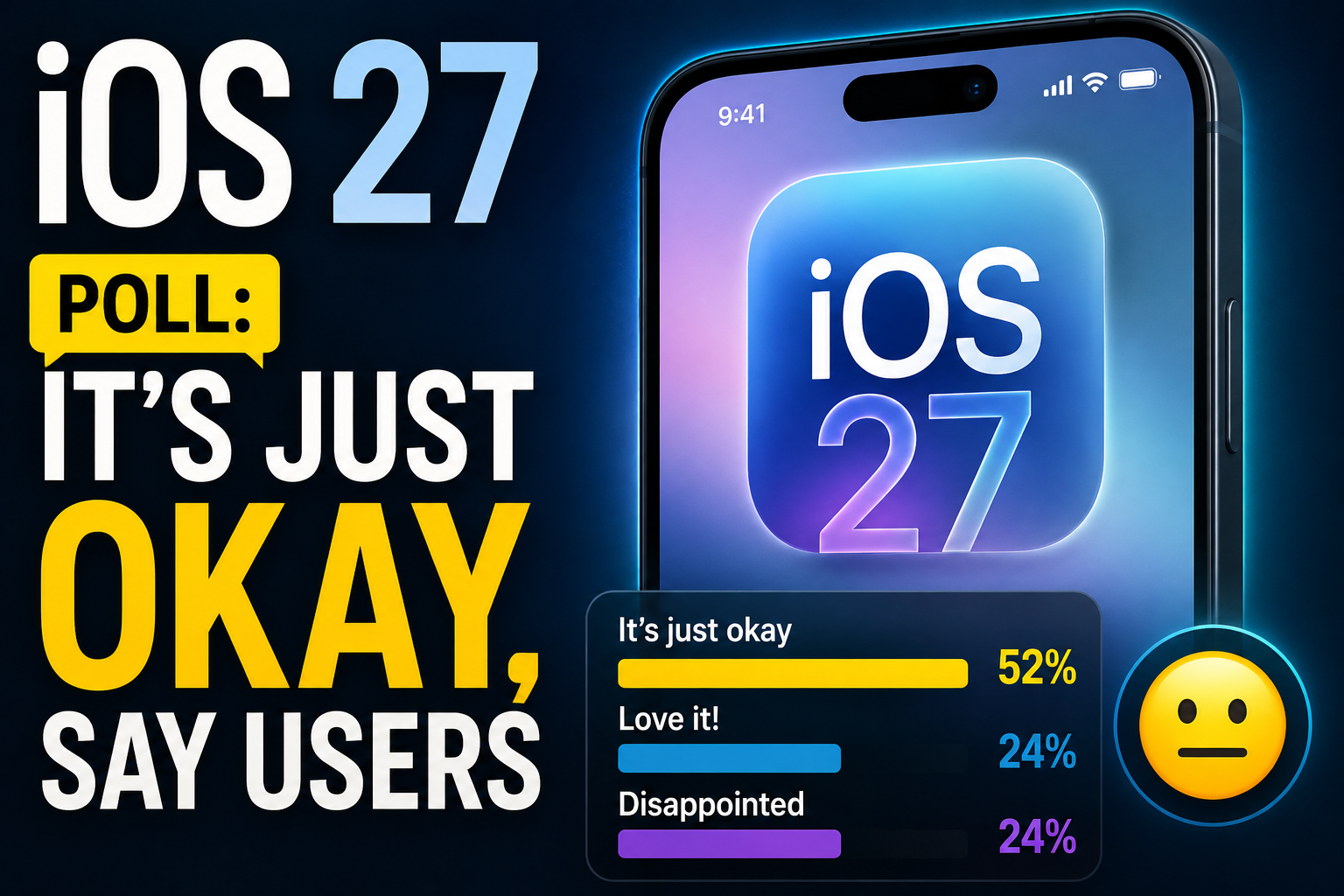
Apple’s latest mobile operating system, iOS 27, has met a rather lukewarm reception. A recent GSMArena poll shows iPhone users feel the update is simply, well, okay. This sentiment suggests a lack of excitement, even if it leans slightly positive overall.
Instead of a grand new vision, iOS 27 focused on polishing features introduced previously. Specifically, it aimed to refine the major Liquid Glass redesign, which arrived in an earlier release. Many users might have expected more, however, especially concerning Apple’s highly anticipated artificial intelligence capabilities.
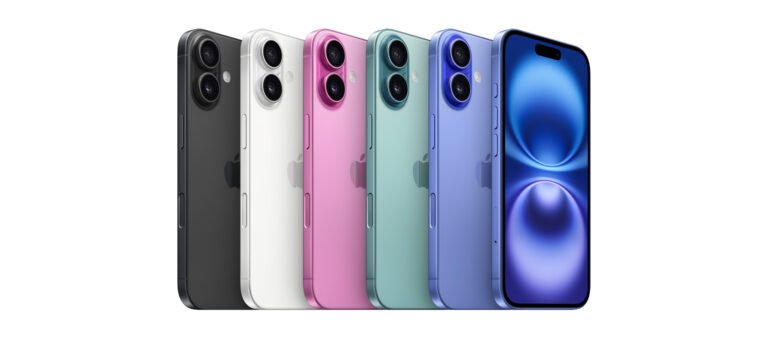
This “just okay” feeling likely stems from promises made earlier but not fully delivered. Apple Intelligence, for example, received significant fanfare during the iPhone 16 launch event. Most of those advanced Siri AI features are still on the horizon, slated for a later launch.
What Happened: The Key Facts Behind the “Okay” Poll Results
Last week’s weekly poll results confirmed a prevailing mood: iOS 27 didn’t ignite passion among its users. While few outright disliked it, the majority couldn’t summon enough enthusiasm to declare they “love it.” Consequently, the “it’s okay” option dominated the responses.
The release centered on consolidating the Liquid Glass redesign, an interface overhaul that needed some fine-tuning. Therefore, iOS 27 mostly offered bug fixes and performance enhancements rather than headline-grabbing new features. This approach often leads to less excitement, as users prefer tangible new tools.
Crucially, the promised AI features, collectively known as Apple Intelligence, remained largely absent. Apple had showcased these intelligent capabilities extensively, particularly regarding Siri’s enhancements, during the iPhone 16 reveal. Still, the full rollout of Siri AI is now expected later this year, likely coinciding with the iPhone 18 Pro models.
Why This Matters: Apple’s AI Credibility and User Expectations
An “okay” rating for an iOS update, particularly one following significant AI promises, is a red flag for Apple. The company built its reputation on delivering polished, intuitive software. When a major release like iOS 27 only gets a shrug, it signals a potential disconnect between user expectations and reality.
Competitors, especially Google and Samsung, are pushing hard with on-device AI features. Pixel phones and Galaxy devices already offer a range of AI tools, from advanced photo editing to real-time translation. Apple’s delayed entry, despite early demos, makes them appear behind the curve in a critical technology race.
Furthermore, delaying promised features can erode user trust. People remember the exciting Apple Intelligence demos during the iPhone 16 launch. They expect those capabilities to arrive in a timely manner. When they don’t, it creates a perception of unfulfilled promises, which no tech company wants.
This isn’t just about new bells and whistles; it’s about the platform’s long-term appeal. The “just okay” poll result for iOS 27 highlights a critical moment. Apple needs to deliver on its AI vision soon, or risk losing mindshare to rivals who are already integrating these powerful tools into daily use.
Key Takeaways
- Met with an “okay” user reception.
- Focused on refining Liquid Glass design.
- Delayed most Apple Intelligence features.
- Siri AI expected with iPhone 18 Pro.
- Competitors lead in immediate AI integration.
- User expectations for AI remain high.
What to Watch Next
The real test for Apple’s AI strategy comes later this year. All eyes will be on the rumored iPhone 18 Pro models and the coinciding launch of the full Siri AI capabilities. This is where Apple must prove its intelligence features are worth the wait and truly competitive.
Expect deep dives into how Apple Intelligence integrates across the ecosystem. This includes how it works with apps, improves daily tasks, and offers unique advantages over rivals. The seamless integration of AI will be crucial for its success.
Many users will also scrutinize the privacy implications of Apple’s AI. The company has always emphasized user privacy, so its approach to on-device and cloud-based AI processing will be a key talking point. More details are available directly from Apple on their future plans.
Frequently Asked Questions
Why do people think iOS 27 is just okay?
Users perceive iOS 27 as “just okay” because it focused on refining existing features rather than introducing major new ones. Many also felt disappointed by the delay of promised Apple Intelligence AI capabilities.
When will Apple’s full AI features launch?
Apple’s full AI features, including advanced Siri AI, are expected to launch later this year. This rollout will likely coincide with the release of the new iPhone 18 Pro models.
What was the main focus of iOS 27?
The main focus of iOS 27 was to polish and improve the Liquid Glass redesign. This included bug fixes and performance enhancements to make the user interface more fluid and stable.
Did iOS 27 introduce the Liquid Glass redesign?
No, iOS 27 did not introduce the Liquid Glass redesign. That major interface overhaul arrived in an earlier iOS version; iOS 27 focused on refining and improving that existing design.
Which iPhones will get the new Siri AI?
The new, advanced Siri AI features are expected to be compatible with newer iPhone models. This likely includes the upcoming iPhone 18 Pro models and potentially other recent high-end iPhones.
Final Thoughts
An “okay” rating for an iOS update is a rare thing, and not in a good way. Apple has a high bar for user satisfaction, and this poll shows they barely cleared it this time. The reason is clear: the market is hungry for practical AI, and Apple’s offerings remain largely in the future.
Apple needs to turn this “just okay” sentiment into genuine enthusiasm. Their reputation for innovation and seamless experiences depends on a strong AI showing later this year. The company must deliver meaningful, integrated AI features that truly enhance the iPhone experience, not just promise them.
For the latest tech news and updates, head over to Tech Trends Central — we cover everything worth knowing.