
5,561 Critical Facts About GitHub CI/CD Attack You Must Know
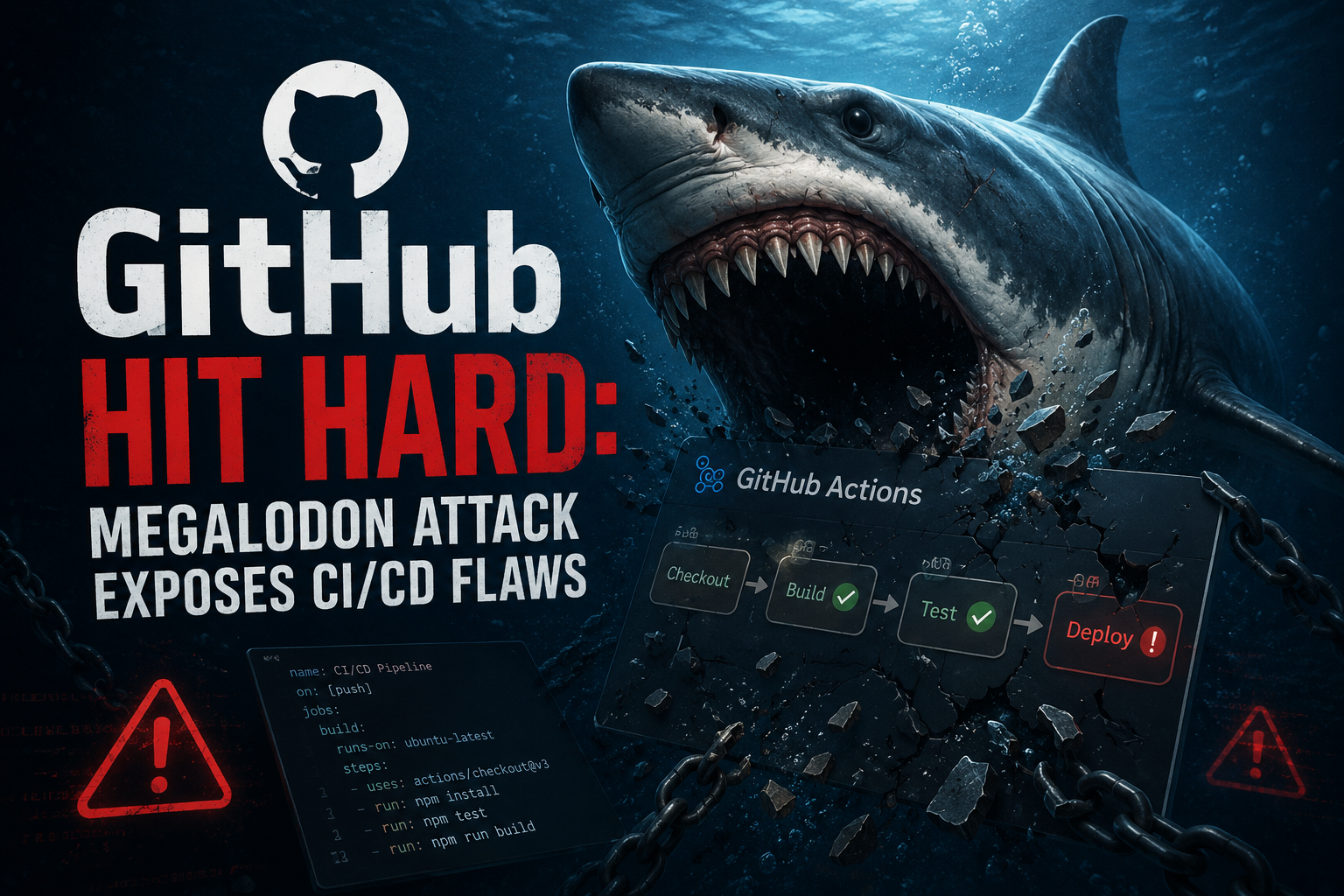
GitHub Hit Hard: Megalodon Attack Exposes CI/CD Flaws
Imagine your code, meant for secure deployment, suddenly becoming a conduit for attackers. That’s precisely the risk revealed by the recent Megalodon attack on GitHub. Cybersecurity researchers have detailed an automated campaign that compromised thousands of repositories.
The Hacker News recently reported on this significant cybersecurity event, detailing how over 5,500 GitHub repos were targeted. This wasn’t a minor incident. Instead, it highlights a critical vulnerability in the software supply chain.
What Happened: The Megalodon Attack Details
The Megalodon campaign was fast and widespread. Within a mere six hours, attackers pushed 5,718 malicious commits. These commits targeted 5,561 GitHub repositories, indicating a highly automated operation.
Attackers used throwaway accounts and forged identities like ‘build-bot’ or ‘auto-ci’. They injected GitHub Actions workflows, embedding base64-encoded bash payloads. Therefore, the malicious code executed as part of the normal build process.
The objective was clear: exfiltrate sensitive CI/CD secrets and data. This allows bad actors to gain unauthorized access to an organization’s internal systems. Such an automated assault highlights a growing threat to development pipelines.
Why This Matters: Beyond Just Compromised Code
This attack isn’t just about a few compromised code bases. It’s a stark reminder of the vulnerabilities in the software supply chain, specifically through CI/CD pipelines. When an attacker can inject malicious workflows, they essentially own your build process.
Consider the trust developers place in automated systems. If those systems are compromised, it undermines the integrity of every application built with them. This can lead to data breaches, intellectual property theft, or even further system compromise.
Unlike a simple phishing scam, this attack targets the very infrastructure that builds and deploys software. It’s far more insidious than a drive-by download. Companies relying heavily on GitHub Actions, like many startups and enterprises, face a serious wake-up call.
I’ve seen similar patterns in other supply chain attacks, but the speed and scale here are particularly alarming. This isn’t a theoretical threat; it’s a proven method to bypass traditional security layers. Protecting against such sophisticated attacks requires vigilance.
Key Takeaways
- Understand CI/CD pipeline risks thoroughly.
- Implement strong authentication for automated bots.
- Regularly audit GitHub Actions workflows for changes.
- Monitor for unusual commit activity in repositories.
- Educate developers on supply chain security threats.
- Isolate critical build environments from general access.
What to Watch Next
The industry will likely see increased scrutiny on CI/CD security. Expect more tools and practices focused on validating code integrity throughout the pipeline. Vendors like GitHub will need to enhance their platform’s defenses against automated injection.
We might also see a shift towards more restrictive permissions for build bots. The principle of least privilege will become even more critical for these automated accounts. Developers need to be proactive, not just reactive, in securing their pipelines.
For a deeper understanding of CI/CD security best practices, organizations should review guidelines from the OWASP Top 10. These incidents underscore the need for continuous security improvements.
Frequently Asked Questions
What is the Megalodon GitHub attack?
The Megalodon GitHub attack is an automated campaign that injected malicious CI/CD workflows into over 5,500 GitHub repositories. It used throwaway accounts to exfiltrate sensitive data and secrets from build pipelines.
How did the Megalodon attack compromise GitHub repos?
Attackers compromised GitHub repos by injecting base64-encoded bash payloads into GitHub Actions workflows. These malicious commits were pushed using forged bot identities within a six-hour window.
What are CI/CD workflows and why are they a target?
CI/CD (Continuous Integration/Continuous Delivery) workflows automate software development processes, from code testing to deployment. They are a target because compromising them grants access to an organization’s entire software supply chain and sensitive credentials.
What data was targeted by the Megalodon campaign?
The Megalodon campaign specifically targeted the exfiltration of CI/CD secrets and other sensitive data. This could include API keys, database credentials, or access tokens stored within the build environment.
What steps can developers take to protect against similar attacks?
Developers can protect against similar attacks by regularly auditing workflow permissions, using strong access controls, and implementing multi-factor authentication. Monitoring for suspicious commit activity and educating teams on supply chain security are also crucial.
For the latest tech news and updates, head over to Tech Trends Central — we cover everything worth knowing.