Is AI Science Really the Future of Coding? 5 Critical Facts
AI’s Future: Coding, Science, & Steroid Olympics Exposed
Artificial intelligence is no longer a distant concept; it is reshaping our world at an astonishing pace. From how we write software to how we approach scientific discovery, AI is pushing boundaries. However, these changes bring both incredible opportunities and serious questions about human roles and ethics.
Recent developments highlight this rapid evolution across multiple domains. We’re seeing developers trust AI with critical tasks, while major tech companies like Google shift their entire approach to AI-driven science. Meanwhile, even the world of sports is grappling with enhancement, mirroring a broader cultural push for optimization. You can read more about these trends in MIT Technology Review.
What Just Happened in AI and Tech
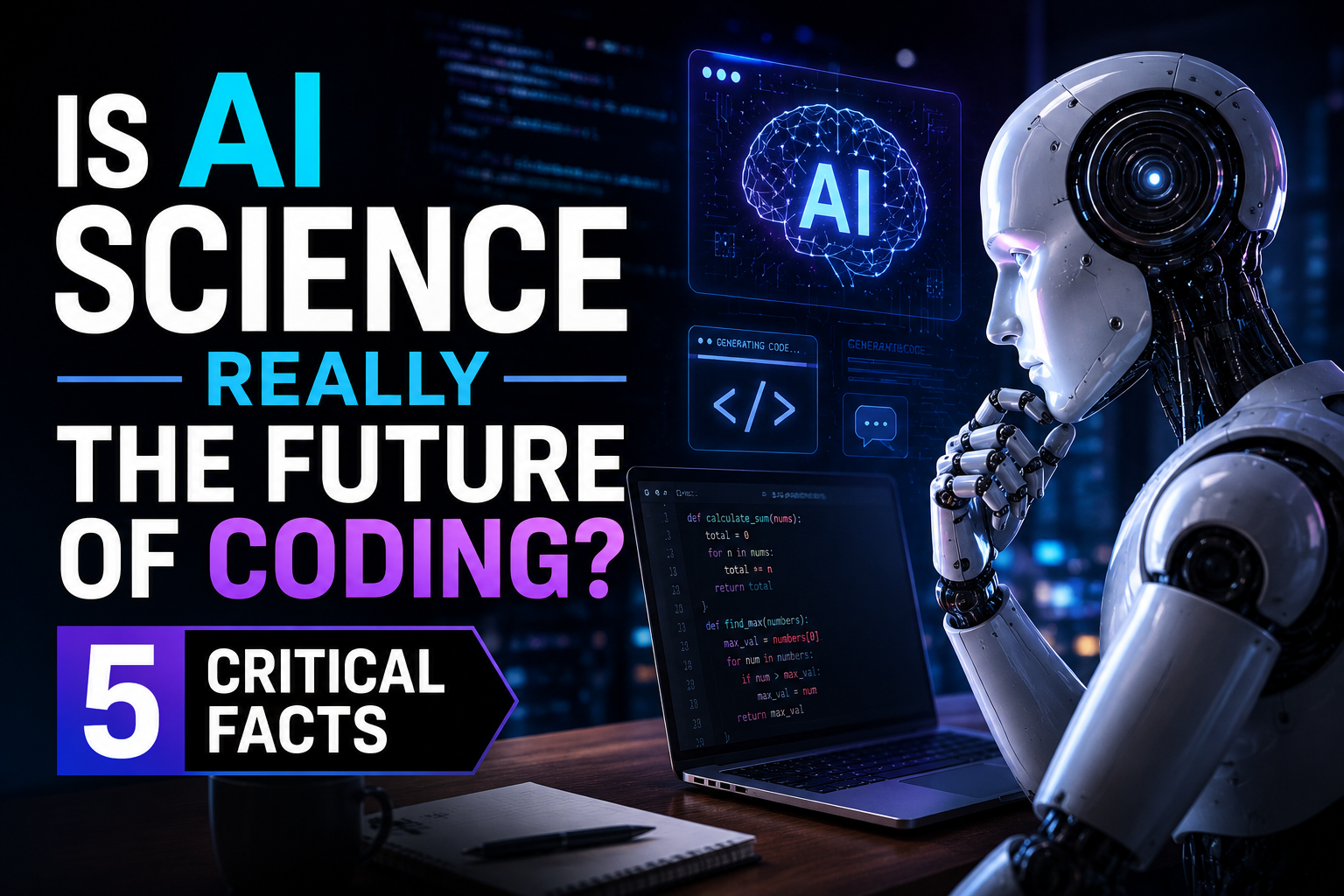
Anthropic, a leading AI company, recently showcased its “Code with Claude” tool in London. Astonishingly, almost half the developers attending admitted to shipping AI-written code without reviewing it first. This shows a growing, perhaps concerning, trust in automated code generation.
Google also made significant announcements at its I/O keynote. Demis Hassabis, CEO of Google DeepMind, spoke of standing in the “foothills of the singularity.” Furthermore, Google’s approach to AI in science appears to be shifting. Instead of specialized AI systems, they are moving towards more general, agentic AI.
The company introduced Gemini for Science, a system designed to execute complex research projects. This represents a clear transition away from narrowly focused AI tools. It aims for AI to take on more comprehensive scientific roles.
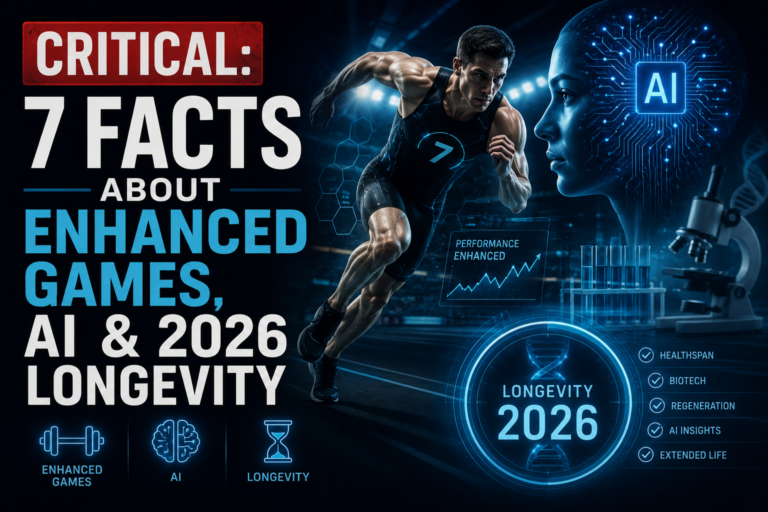
Meanwhile, a controversial event called the Enhanced Games is set to launch in Las Vegas. This competition allows athletes to use performance-enhancing drugs to “push the boundaries of human performance.” This event reflects a cultural trend towards extreme self-optimization and longevity.
Finally, a significant push is underway for “world models” in AI research. Backed by Google DeepMind, Fei-Fei Li’s World Labs, and Yann LeCun, these systems aim to help AI understand the physical environment. This could fundamentally change how AI perceives and interacts with reality.
Why These Developments Matter for Our Future
The fact that developers are shipping AI-generated code unread is alarming. While AI can boost productivity, blind trust in any system, especially one still evolving, invites serious risks. Bugs, security vulnerabilities, or even logical flaws could slip through, causing major problems down the line. We should use AI to augment, not replace, human oversight in critical areas.
Google’s pivot towards agentic AI for science is equally impactful. Historically, AI systems were built for specific tasks, like predicting weather. Now, Google wants AI to act more like an independent researcher. This could accelerate scientific discovery at an unprecedented rate. However, it also raises questions about the nature of human creativity and intuition in research. What happens when AI leads the way?
The Enhanced Games, while seemingly separate, reflect a deeper societal trend. Our culture increasingly values optimization, whether through peptides, specific diets, or technology. This event simply takes that desire to its extreme. It forces us to confront the ethical limits of human enhancement and what we consider “natural” achievement.
Developing AI “world models” is a crucial step towards truly intelligent AI. Current large language models (LLMs) are impressive at processing text, but they don’t truly “understand” the physical world. If AI can build internal representations of reality, it could reason and interact in far more sophisticated ways. This could be a significant leap towards more capable and general artificial intelligence.
Key Takeaways
- Developers trust AI-generated code, sometimes pushing it live unread.
- Google now favors agentic AI for complex scientific research projects.
- The Enhanced Games highlight a growing cultural focus on human enhancement.
- AI “world models” aim to give systems a deeper grasp of the physical world.
- Automation is rapidly transforming both the coding and science fields.
What to Watch Next
The rapid integration of AI into coding will undoubtedly reshape developer roles. We should observe if companies mandate human review processes for AI-generated code. Otherwise, we risk introducing systemic vulnerabilities on a large scale. This could shift developers from primary creators to critical auditors.
For AI in science, the shift to agentic systems means we need to closely monitor how these AIs make decisions. We also need to understand how they validate their findings. We must ensure scientific rigor and ethical considerations remain paramount, even as AI accelerates discovery. Therefore, discussions around AI safety will only intensify.
The conversation around human enhancement, sparked by events like the Enhanced Games, will continue to evolve. Look for more mainstream discussions about biohacking, longevity treatments, and the ethical lines we draw. These trends will likely impact health, sports, and societal norms.
Frequently Asked Questions
What is Anthropic’s Code with Claude?
Anthropic’s Code with Claude is an AI tool designed to generate software code. At a recent developer event, nearly half of attendees admitted to shipping AI-written code without reviewing it first. This highlights growing developer reliance on AI for programming tasks.
How is Google changing AI for science?
Google is shifting its AI strategy for science towards agentic, LLM-based systems like Gemini for Science. This approach aims for AI to conduct complex research projects with less human involvement, moving away from specialized, single-task systems. Demis Hassabis of Google DeepMind suggests this path could lead towards the “singularity.”
What are the Enhanced Games?
The Enhanced Games are a controversial sporting event allowing athletes to use performance-enhancing drugs. Scheduled for this Sunday in Las Vegas, the competition seeks to push human physical limits. It reflects a broader cultural trend towards “enhancement-obsessed” lifestyles and longevity optimization.
What are AI world models?
AI world models are a new type of system designed to understand the physical environment. Backed by major AI research labs, these models aim to give AI a deeper comprehension of reality. This approach could significantly change how AI interacts with and interprets the world.
Why is blind trust in AI-generated code risky?
Blind trust in AI-generated code is risky because AI, while powerful, can introduce errors, security vulnerabilities, or logical flaws. Shipping unreviewed code increases the chance of bugs making it into production systems. Human oversight remains essential for quality control and preventing unintended consequences.
Final Thoughts
The pace of technological change is breathtaking. We are not just witnessing AI assist humans; we are seeing it take the lead in critical areas like coding and scientific research. This transition compels us to seriously consider our roles. We must also question the ethical boundaries of both AI development and human enhancement.
These developments are not abstract concepts for tech insiders alone. They will reshape jobs, alter how we conduct research, and even redefine what it means to be human. Therefore, staying informed and critically evaluating these changes is more important than ever.
For the latest tech news and updates, head over to Tech Trends Central — we cover everything worth knowing.